
Why Age 7? The Short Answer
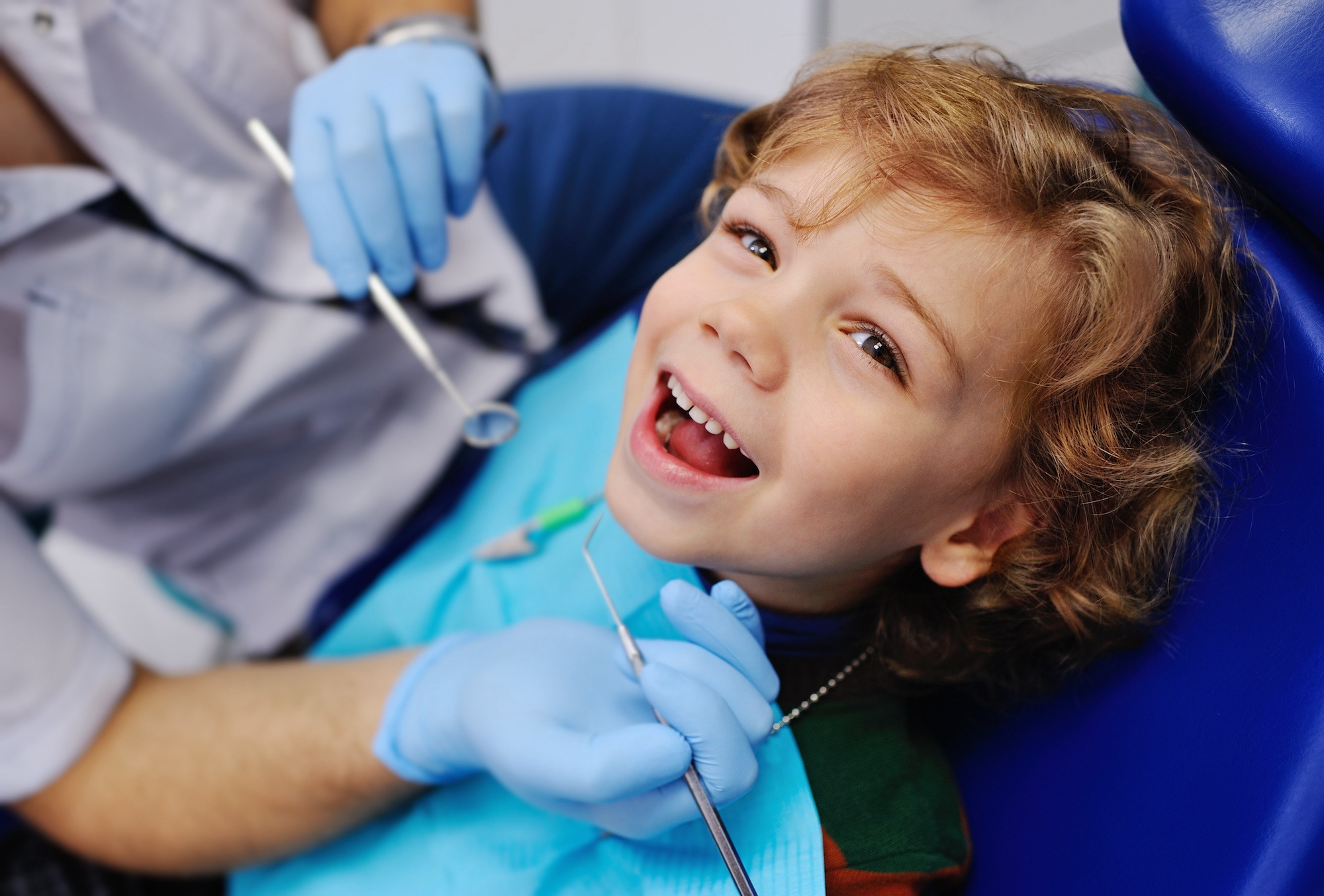
Yes, age 7 really is the right time for a first orthodontic visit. The American Association of Orthodontists recommends that every child receive an orthodontic check-up by age 7, because enough permanent teeth have come in to reveal developing bite issues, crowding, or jaw growth concerns. This first visit is an evaluation, not a promise of braces.
Most 7-year-olds won’t need treatment right away. What this early look does is give Dr. Greg Long the chance to spot small problems before they become bigger ones, and to plan the best possible timing if treatment is ever needed. Think of it as a baseline, a moment to understand your child’s growing smile and catch anything worth watching. Families across Central Illinois often find that this first orthodontic visit at age 7 brings real reassurance, even when no treatment is needed.

What Happens at a First Orthodontic Visit
A first visit at Central Illinois Orthodontics is short, friendly, and built around helping your family feel informed. Most appointments take 30 to 60 minutes, cost nothing, and end with a clear next step, whether that’s treatment, monitoring, or simply coming back in a year.
Here’s what your child can expect:
- A warm welcome. Our team gets to know your child first, because we want to get to know you, not just treat you.
- A gentle exam. Dr. Long checks the bite, jaw growth, tooth eruption patterns, and how the upper and lower teeth fit together.
- Digital scans or X-rays (if needed). These help us see what’s happening below the surface, including unerupted teeth and jaw development.
- A clear conversation. Dr. Long walks you through what he sees, in plain language, and answers every question you bring.
- A recommendation. Most children leave with a “watch and wait” plan. Some benefit from early (Phase 1) treatment, and others are best served by waiting until the teen years.
There’s no pressure, no surprise bills, and nothing to worry about. It’s a conversation, an exam, and a custom treatment plan when the timing is right.
Benefits of an Early Orthodontic Evaluation
A free consult gives Dr. Long the chance to guide your child’s growth while the jaws are still developing, which is something that becomes much harder once the teen years arrive. Catching issues at age 7 doesn’t always mean acting on them, but it does mean having options.
Key benefits include:
- Spotting issues while jaws are still growing. Crossbites, crowding, and protruding front teeth are easier to address before growth slows.
- The option of interceptive (Phase 1) treatment. Short, targeted treatment can guide jaw development and create room for incoming permanent teeth.
- Wondering if early action saves time later? It often does. Catching things early may shorten or simplify any braces or clear aligner treatment your child needs as a teen.
- Help with harmful habits. Thumb sucking, tongue thrusting, and mouth breathing can shift the bite, and early support makes them easier to correct.
- Lower risk of dental injuries. Protruding front teeth are more likely to chip or break, and early treatment can pull them into a safer position.
The AAO notes that an early evaluation gives families the chance to choose between treating now, treating later, or skipping treatment altogether based on the child’s actual development, not guesswork.
Age 7 vs. Waiting Until the Teen Years
Both timelines can be right, depending on what’s happening in your child’s mouth. The age 7 visit isn’t a replacement for teen treatment, it’s a way to plan for it. Most children who see an orthodontist at 7 end up starting actual treatment later, but with a much clearer plan to follow.
Here’s how the two compare:
| Factor | Age 7 Evaluation | Teen Treatment (10-14) |
|---|---|---|
| Goal | Spot developing issues, monitor growth | Correct alignment and bite once most permanent teeth are in |
| What happens | Exam, scans, custom treatment plan | Braces or clear aligners |
| Best for | Jaw growth concerns, crossbites, harmful habits | Crowding, spacing, bite correction |
| Treatment length | Phase 1 is typically shorter, if needed | Usually 12-24 months |
| Cost | Free consult; Phase 1 (if needed) is a separate cost | Standard full treatment cost |
Some problems, like a narrow upper jaw or a developing crossbite, are much easier to fix while a child is still growing. Other issues, like minor crowding or rotated teeth, are best handled once most permanent teeth have arrived. The age 7 visit helps you tell the difference, so you know which option fits your child best.
Does an Early Visit Cost Anything?
At Central Illinois Orthodontics, your child’s first visit is a free consult. There’s no charge for the exam, the conversation with board-certified Dr. Long, or the recommendation you take home. Many AAO-member practices offer the same, because early evaluation is meant to be accessible for every family.
If treatment is recommended later, here’s what to know:
- Phase 1 treatment (if needed at a young age) is a separate cost from any future braces or aligners.
- Catching issues early may simplify later treatment, which can reduce overall cost.
- Flexible payment plans tailored to fit your family’s budget make treatment more accessible.
- Dental insurance with orthodontic benefits may cover a portion of treatment.
Cost depends on the type of treatment, how long it takes, and how complex the case is. Dr. Long will walk you through every number before anything begins, so there are never any surprises along the way.
Is Your Child a Candidate for Early Evaluation?
Every child should see an orthodontist by age 7, even if their teeth look perfectly straight. Some of the most important issues are invisible from the outside, hidden in jaw growth patterns or unerupted teeth. For families across Central Illinois, this first orthodontic visit at age 7 is short, free, and gives you peace of mind either way.
Schedule a first visit sooner if you notice any of these signs:
- Baby teeth lost very early or held on much longer than expected
- Difficulty chewing, biting, or speaking clearly
- Mouth breathing or snoring
- Visibly crowded, protruding, or crooked teeth
- Jaw that shifts to one side when biting down, or clicking sounds
- Thumb sucking or pacifier use continuing past age 5
- Teeth that don’t meet properly when the mouth closes
- A family history of orthodontic issues like crowding, underbites, or overbites
If any of these sound familiar, it’s worth booking a free consult. And if none of them do, age 7 is still the recommended time for that first look. At Central Illinois Orthodontics, every family deserves clear answers and warm care, with no pressure attached. Dr. Greg Long is a board-certified orthodontist who brings his expertise to every first visit, whether your child needs treatment today, treatment later, or simply a watchful eye. We welcome smiles for every generation, and we’d love to meet one of our own. You’re more than a patient; you’re part of a community. If your child is approaching age 7, or already past it, schedule a free consult and let’s start the conversation.

Frequently Asked Questions
Is age 7 too early for braces?
Usually, yes. Age 7 is the right time for an evaluation, not braces. Most children leave their first visit with a monitoring plan rather than treatment. In some cases, a short Phase 1 treatment is recommended to guide jaw growth, but full braces or aligners typically wait until more permanent teeth have come in.
What if my child has no obvious problems?
We still recommend the visit. Many developing issues, like a narrow palate, an emerging crossbite, or crowded permanent teeth still under the gums, aren’t visible from the outside. Dr. Long uses an exam and, when needed, digital scans to spot anything worth watching, so small concerns don’t become bigger ones.
How long does a first visit take?
A first visit typically takes 30 to 60 minutes. That includes time to get to know your child, a careful exam, any scans or X-rays we need, and a clear conversation about what we found. You’ll leave with a custom treatment plan or a monitoring schedule, and every question answered.
Will my child definitely need treatment?
No. Most children who come in at age 7 don’t need treatment right away. The visit is about catching what’s there, not creating reasons for braces. Some children benefit from early intervention, some need teen treatment later, and some never need orthodontic care at all.
Can we wait until all the baby teeth fall out?
Sometimes, but not always. Waiting works fine for many children, especially those with no obvious bite or growth concerns. But some issues, like crossbites, severe crowding, or jaw alignment problems, are easier and more effective to treat while a child is still growing. The age 7 visit helps you know which option fits your child best.

Schedule a Free Orthodontic Consultation
Central Illinois Orthodontics welcomes families from Metamora, Peoria, and surrounding Central Illinois communities. Whether your child needs early monitoring, future orthodontic care, or no treatment at all, the first step is simply getting clear answers from Dr. Long and our team.
Request your free consult online or call our Metamora office at (309) 367-4465 or our Peoria office at (309) 692-2700. We’ll help you understand your child’s smile, your options, and the best timing for treatment if it is ever needed.